Cabinet approves additional instalment of Dearness Allowance to Central Government employees and Dearness Relief (DR) to pensioners w.e.f. 01.01.2026
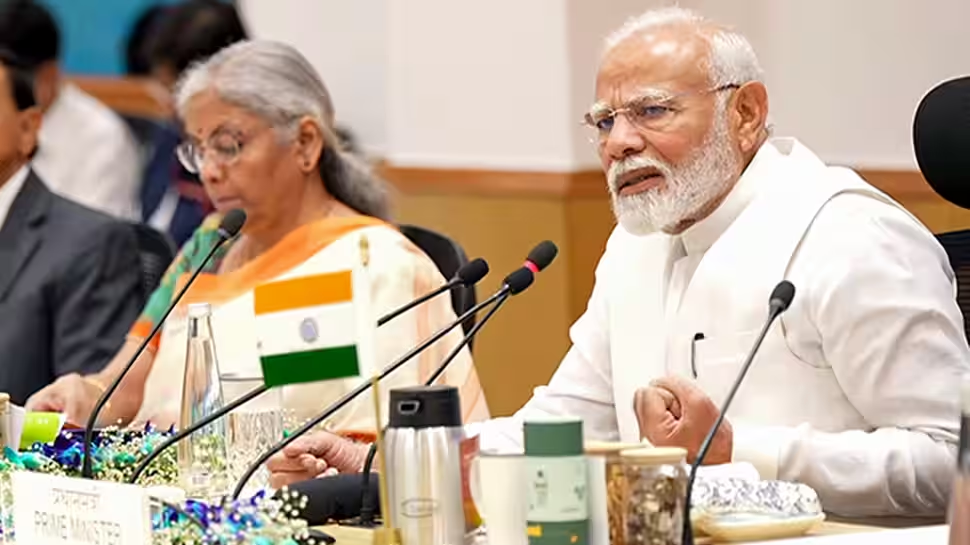
The Union Cabinet chaired by the Prime Minister Shri Narendra Modi has approved to release an additional instalment of Dearness Allowance (DA) to Central Government employees and Dearness Relief (DR) to pensioners w.e.f. 01.01.2026 representing an increase of 2% over the existing rate of 58% of the Basic Pay/Pension, to compensate against price rise.
The combined impact on the exchequer on account of increase in both Dearness Allowance and Dearness Relief would be Rs.6791.24 crore per annum. This will benefit about 50.46 lakh Central Government employees and 68.27 lakh pensioners.
This increase is in accordance with the accepted formula, which is based on the recommendations of the 7th Central Pay Commission.
The 14th Ministerial Conference of the World Trade Organisation opened in Yaounde, Cameroon, on 26 March 2026 with a ceremonial session chaired by the Trade Minister of Cameroon. The session was attended by Dr Ngozi Okonjo-Iweala, DG, WTO, and Trade Ministers/Senior representatives of the WTO member countries. On behalf of India, Commerce Secretary Shri Rajesh Agrawal attended the opening session. The opening session was followed by a short celebration of the entry into force of the Agreement on Fisheries Subsidies on September 15, 2025.
Following the Opening ceremony, the Ministers met for a Ministerial Conversation on Foundational Issues of WTO, including its principles. Speaking during the session, Shri Piyush Goyal, Hon’ble Commerce and Industries Minister of India, emphasised that necessary reform of WTO should be carried out through a transparent, inclusive and Member-driven process, keeping development at its core, upholding the foundational principles and objectives of the Organisation, mainly non-discrimination, consensus-based decision making and equity.
On the sidelines of the first day of the MC14 meetings, Shri Goyal called on the Hon’ble Prime Minister of Cameroon, H.E. Mr. Dion Ngute Joseph and discussed bilateral and multilateral issues, including ways to further strengthen India–Cameroon cooperation. Shri. Goyal also held bilateral meeting with Director-General of the WTO with the discussions focusing on the MC14 agenda. HCIM also held bilateral meeting with his counterparts from the Netherlands, France and Ethiopia and exchanged views on deepening bilateral trade ties.
Commerce Secretary, Shri Rajesh Agrawal also held bilateral meetings with his counterparts from Chile, Paraguay, US, Nepal, the Philippines, Saudi Arabia, delegation of EU Parliamentarians, Mexico, Peru, Russia, New Zealand and the EU on the sidelines of MC-14. Discussions focused on MC14 agenda as well as exploring options for enhancing bilateral trade ties. With Chile and Peru, both sides touched base on the ongoing India-Chile FTA negotiations and India-Peru FTA negotiations. With the EU and New Zealand, both sides took stock of the progress towards signing the recently concluded India-EU FTA and India-New Zealand FTA negotiations.
The day ended with ceremonial reception and gala dinner hosted by Cameroon.
Fada Urges PM Modi to Address Compensation Cess Concerns Before GST Phase Two
The Federation of Automobile Dealers Associations (Fada) has reached out to Prime Minister Narendra Modi, urging for a solution to the pressing issue of the compensation cess before September 22, which marks the commencement of the second phase of the Goods and Services Tax (GST). The automobile industry is bracing for a significant impact, with an estimated loss of ₹2,500 crore anticipated due to the removal of the compensation cess on high-end vehicles.
In a letter addressed to Modi on September 8, Fada requested that the balance in the compensation cess credit ledger as of September 21 be transferred to the credit ledger of integrated GST/Central GST. Such balance may then be utilised for the discharge of regular GST liability (CGST/SGST/IGST),” the letter stated. It emphasized that GST 2.0 represents a transformative reset aimed at simplifying processes for citizens and small businesses.
The letter also highlighted the critical need for a clean transition regarding compensation cess credits, which would ensure a seamless implementation while sustaining confidence among micro, small, and medium enterprises (MSMEs). CS Vigneshwar, president of Fada, noted, “A small administrative step now will unleash the full multiplier effect anticipated.
Currently, automobile dealers are managing an inventory of approximately 600,000 vehicles, stockpiled in preparation for the festival season. Fada previously approached Union Finance Minister Nirmala Sitharaman with the same request to safeguard their sales from being adversely affected.
The letter pointed out that auto dealerships across India hold substantial, validly availed compensation cess balances in their electronic credit ledgers. Under the existing regulations, these balances cannot be applied against CGST/SGST/IGST and will become void unless a transitional pathway is established. This situation effectively transforms legitimate, tax-paid credits into dead capital, especially critical as the festive season approaches.
The systemic implications of this situation are severe, as over 95 percent of dealer inventory is funded through bank loans. If these credits become unusable, it could lead to reduced borrowing capacity, increased interest costs, and strained covenants, precisely when the industry is ramping up stock for deliveries in the September-to-Diwali period.
Fada reiterated that this issue is not merely about revenue loss; it’s about preserving legitimate, tax-paid credits and preventing unnecessary strain on MSMEs and the financial system. Furthermore, it was noted that by abolishing the cess and rationalizing rates, GST 2.0 has made mass mobility—such as small cars, two-wheelers, commercial vehicles, and tractors—8-12 percent more affordable, thereby catalyzing demand, formalization, and job creation. Early analyses indicate a potential 8-10 percent uplift in volumes by 2025-26, aided by reduced logistics costs, as buses and trucks transition to an 18 percent tax rate.
Prime Minister Modi Addresses Nation Amidst Heightened India-Pakistan Tensions Following “Operation Sindoor”
Prime Minister Narendra Modi addressed the nation at 8 PM today, in a highly anticipated speech following the recent escalation of tensions between India and Pakistan.2 The address comes in the wake of “Operation Sindoor,” India’s retaliatory military action in response to a deadly terrorist attack in Pahalgam, Kashmir.
Here’s a breakdown of the key points:
Context of the Address:
The speech occurred after India launched “Operation Sindoor,” a military operation targeting terror camps in Pakistan-occupied Kashmir (PoK). This operation was a response to a terrorist attack in Pahalgam that resulted in the deaths of numerous civilians.
The address also follows reports of a ceasefire agreement between India and Pakistan, adding to the significance of the Prime Minister’s words.
Key Focus:
Prime Minister Modi’s speech aimed to provide clarity on India’s strategic stance in the region.
He addressed the broader implications for regional security, emphasizing India’s commitment to countering terrorism.
He also discussed the recently negotiated cease fire agreement with pakistan, and the terms of that agreement.
“Operation Sindoor” Details:
“Operation Sindoor” was launched by the Indian Armed Forces as a response to the Pahalgam terror attack.
The operation involved targeting multiple terror sites in Pakistan and PoK.
The operation was reported to have caused significant damage to terror infrastructures.
India-Pakistan Tensions:
The Prime Minister’s address comes at a time of heightened military activity and tensions between India and Pakistan.
The speech was crucial in outlining India’s position and the path forward in maintaining peace while addressing security concerns.
National and International Attention:
The Prime Minister’s address was closely watched by both national and international observers, given the sensitive nature of the situation.
The world is watching how both nations will proceed following the recent combat, and the current cease fire.
In essence, Prime Minister Modi’s speech served to address the nation and the world about India’s actions, its commitment to security, and its stance on regional peace in the aftermath of a significant military operation.
India is set to implement additional tariff adjustments in response to trade threats from US President Donald Trump, according to top officials. They indicated plans to continue reducing import taxes as a way to maneuver around Trump’s proposed reciprocal tariffs.
Just weeks after announcing significant cuts to duties on a variety of imports, including textiles and motorcycles, Finance Minister Nirmala Sitharaman emphasized the ongoing commitment to reforming India’s tariff structure. Our goal is to become an investor-friendly nation, which is why we will persist in cutting duties and rationalizing our tariff regime,” she stated at an event in Mumbai.
Economists have noted that India’s relatively high tariff rates, combined with a $41 billion trade surplus with the US, expose the country to significant risks if Trump moves forward with his reciprocal tariff plans. Analysts from Mitsubishi UFJ Financial Group projected that US tariffs on India could soar above 15%, compared to the current rate of around 3%, if full reciprocity were applied.
The exact mechanism by which the Trump administration would assess these tit-for-tat tariffs remains uncertain. However, if the US enacted a flat 20% tariff on Indian exports, this could potentially diminish gross domestic product by 50 basis points. Soumya Kanti Ghosh, chief economic adviser at the State Bank of India, indicated that a 15-20% tariff increase could lower India’s overall exports to the US by 3-3.5%.
Prime Minister Narendra Modi aims to prevent any further deceleration of an economy that is already growing at its slowest rate since the pandemic. To prevent a potential trade conflict with its largest trading partner, New Delhi has quickly granted several concessions to the White House regarding Trump’s key agenda items. This trend is expected to persist in the following months, as indicated by officials.
During the recent Trump-Modi summit, both leaders expressed intentions to finalize a trade agreement by the fall of 2025. India’s Commerce and Industry Minister, Piyush Goyal, announced intentions to complete this agreement within eight months—a significant challenge given previous difficulties in reaching a similar accord during Trump’s first term.
Indian officials have also been active in countering perceptions that the country imposes excessive tariffs. Finance Secretary Tuhin Kanta Pandey noted that India maintains tariff rates below 3% on the “30 most significant imports.” He mentioned that higher tariffs affect only a limited number of items, which he believes will be addressed during discussions with the US.
Economist Samiran Chakraborty from Citigroup pointed out the complexities involved in predicting the ramifications of reciprocal tariffs on India’s economy, especially given the ambiguous implementation details. While direct consequences would impact exports, he warned that the “uncertainty surrounding tariffs” could lead to significant negative effects on private investment—spilling over into multiple sectors beyond those primarily focused on exports.
India – U.S. Joint Statement: The President of the United States, The Honorable Donald J. Trump, hosted the Prime Minister of India, Shri Narendra Modi, for an Official Working Visit in Washington, DC, on February 13, 2025.
As leaders of sovereign and vibrant democracies that prioritize freedom, the rule of law, human rights, and pluralism, President Trump and Prime Minister Modi reaffirmed the strength of the India-U.S. Comprehensive Global Strategic Partnership, rooted in mutual trust, shared interests, goodwill, and robust citizen engagement.
Today, President Trump and Prime Minister Modi launched an innovative initiative – the “U.S.-India COMPACT (Catalyzing Opportunities for Military Partnership, Accelerated Commerce & Technology) for the 21st Century” – aimed at driving transformative change across essential pillars of cooperation. They committed to a results-driven agenda, with initial outcomes anticipated this year to showcase the level of trust within their mutually beneficial partnership.
Defense
Emphasizing the evolving convergence of U.S.-India strategic interests, the leaders reaffirmed their steadfast commitment to a dynamic defense partnership across multiple domains. To further enhance defense ties, they announced plans to sign a new ten-year Framework for the U.S.-India Major Defense Partnership in the 21st Century this year.
The leaders acknowledged the significant incorporation of U.S.-origin defense items into India’s inventory, including C-130J Super Hercules, C-17 Globemaster III, P-8I Poseidon aircraft, CH-47F Chinooks, MH-60R Seahawks, and AH-64E Apaches; Harpoon anti-ship missiles; M777 howitzers; and MQ-9Bs. They agreed to expand defense sales and co-production with India to bolster interoperability and defense industrial cooperation. Plans were announced to pursue new procurements and co-production arrangements within India for “Javelin” Anti-Tank Guided Missiles and “Stryker” Infantry Combat Vehicles to meet India’s defense needs efficiently. They also expect to finalize procurement for six additional P-8I Maritime Patrol aircraft to enhance India’s maritime surveillance capabilities in the Indian Ocean Region following the agreement on sale terms.
Acknowledging India’s status as a Major Defense Partner with Strategic Trade Authorization-1 (STA-1) and a key Quad partner, the U.S. and India will review their arms transfer regulations, including International Traffic in Arms Regulations (ITAR), to streamline defense trade, technology exchange, maintenance, spare parts, and in-country repair for U.S.-provided defense systems. They will initiate negotiations for a Reciprocal Defense Procurement (RDP) agreement this year to better align procurement systems and facilitate mutual supply of defense goods and services. The leaders pledged to accelerate defense technology cooperation across space, air defense, missile systems, maritime, and undersea technologies, with the U.S. announcing a review of its policy regarding the release of fifth-generation fighters and underwater systems to India.
Building on the U.S.-India Roadmap for Defense Industrial Cooperation and recognizing the growing significance of autonomous systems, the leaders announced the Autonomous Systems Industry Alliance (ASIA) to scale industry partnerships and production within the Indo-Pacific. They welcomed new partnerships between Anduril Industries and Mahindra Group for advanced autonomous technologies to develop state-of-the-art maritime systems and AI-enabled counter Unmanned Aerial Systems (UAS). Additionally, a collaboration was established between L3 Harris and Bharat Electronics for the co-development of active towed array systems.
The leaders pledged to enhance military cooperation across all domains – air, land, sea, space, and cyberspace – through advanced training, exercises, and operations incorporating cutting-edge technologies. They welcomed the upcoming “Tiger Triumph” tri-service exercise, first inaugurated in 2019, to be hosted in India with greater scale and complexity.
Finally, the leaders committed to break new ground for supporting and sustaining the overseas deployments of the U.S. and Indian militaries in the Indo-Pacific, including enhanced logistics and intelligence sharing, alongside improving force mobility for joint humanitarian and disaster relief operations, and other exchanges and security cooperation efforts.
The leaders resolved to expand trade and investment to foster prosperity, strengthen nations, stimulate innovative economies, and enhance supply chain resilience. They committed to deepening the U.S.-India trade relationship to nurture growth that promotes fairness, national security, and job creation. To this end, they set a bold new goal for bilateral trade – “Mission 500” – aiming to exceed $500 billion in total bilateral trade by 2030.
Recognizing that achieving this level of ambition necessitates new, fair-trade terms, they announced plans to negotiate the first tranche of a mutually beneficial, multi-sector Bilateral Trade Agreement (BTA) by fall of 2025. The leaders committed to assigning senior representatives to advance these negotiations and ensure the trade relationship mirrors the aspirations of the COMPACT. They will pursue an integrated approach to enhancing bilateral trade across goods and services, aiming to increase market access, reduce tariff and non-tariff barriers, and deepen supply chain integration.
The leaders celebrated initial steps demonstrating their mutual commitment to address bilateral trade barriers. The United States welcomed India’s recent measures to reduce tariffs on U.S. products such as bourbon, motorcycles, ICT products, and metals, in addition to improving market access for U.S. agricultural products like alfalfa hay, duck meat, and medical devices. India expressed gratitude for U.S. measures to facilitate exports of Indian mangoes and pomegranates. Both nations pledged to collaborate on increasing U.S. exports of industrial goods to India and Indian exports of labor-intensive manufactured products to the United States, along with joint efforts to boost agricultural trade.
Lastly, the leaders committed to driving opportunities for U.S. and Indian companies to engage in greenfield investments in high-value industries in each other’s countries. They welcomed ongoing investments by Indian companies, amounting to approximately $7.35 billion, including those by Hindalco’s Novelis in aluminum manufacturing in Alabama and Kentucky; JSW in steel operations in Texas and Ohio; Epsilon Advanced Materials in critical battery material production in North Carolina; and Jubilant Pharma in injectable manufacturing in Washington, contributing to over 3,000 high-quality local jobs.
Energy Security
The leaders acknowledged that energy security is vital for economic growth, social well-being, and technical innovation in both nations. They emphasized the significance of U.S.-India collaboration to ensure energy affordability, reliability, availability, and market stability. Acknowledging their roles as leading producers and consumers in the global energy arena, they reaffirmed their commitment to the U.S.-India Energy Security Partnership, encompassing oil, gas, and civil nuclear energy.
The leaders stressed the need to enhance hydrocarbon production to secure better global energy prices and provide affordable energy access to their citizens. They recognized the value of strategic petroleum reserves for economic stability during crises and resolved to collaborate with key partners to expand strategic oil reserve arrangements. In this context, the U.S. expressed strong support for India’s accession to full membership in the International Energy Agency.
The leaders reaffirmed their commitment to increasing energy trade to ensure energy security and establish the U.S. as a primary supplier of crude oil, petroleum products, and liquified natural gas for India, aligned with the evolving needs of both economies. They highlighted significant opportunities to boost trade in the hydrocarbon sector, including natural gas, ethane, and petroleum products, in efforts to diversify supply and enhance energy security. They committed to increasing investments, particularly in oil and gas infrastructure, and promoting cooperation between energy companies from both countries.
The leaders announced their dedication to fully implementing the U.S.-India 123 Civil Nuclear Agreement, collaborating to construct U.S.-designed nuclear reactors in India through large-scale localization and potential technology transfer. They welcomed India’s recent Budget announcement to amend the Atomic Energy Act and the Civil Liability for Nuclear Damage Act (CLNDA) to facilitate the collaboration of Indian and U.S. industries in nuclear reactor production and deployment. This cooperative path will unlock plans for large U.S.-designed reactors and enable joint efforts to develop and scale up nuclear power generation using advanced small modular reactors.
The leaders unveiled the U.S.-India TRUST (“Transforming the Relationship Utilizing Strategic Technology”) initiative, designed to spur collaboration between government entities, academia, and the private sector for the application of critical and emerging technologies in defense, artificial intelligence, semiconductors, quantum computing, biotechnology, energy, and space, while ensuring the protection of sensitive technologies and the use of verified vendors.
A central element of the “TRUST” initiative involves working with U.S. and Indian industries to produce a U.S.-India Roadmap on Accelerating AI Infrastructure by year’s end, identifying challenges to financing, building, powering, and connecting large-scale U.S.-origin AI infrastructure in India, alongside setting milestones and future actions. The two countries will collaborate to foster industry partnerships and investments in state-of-the-art data centers, cooperation in developing and accessing compute and processors for AI, and innovations that support societal solutions, while addressing necessary protections and regulatory controls.
The leaders announced the launch of INDUS Innovation, a new innovation bridge modeled after the successful INDUS-X platform, aimed at advancing U.S.-India industry and academic collaborations and fostering investments in space, energy, and other emerging technologies to sustain U.S.-India leadership in innovation and meet 21st-century needs. They reiterated their commitment to the INDUS-X initiative, facilitating partnerships among U.S. and Indian defense firms, investors, and universities to deliver critical capabilities for their militaries, and looked forward to the next summit in 2025.
As part of the TRUST initiative, the leaders committed to constructing trusted and resilient supply chains for semiconductors, critical minerals, advanced materials, and pharmaceuticals. They plan to encourage public and private investments to increase Indian manufacturing capacity, including in the U.S., for active pharmaceutical ingredients for essential medications. Such investments will create quality jobs, diversify vital supply chains, and mitigate the risk of critical drug shortages in both countries.
Recognizing the strategic importance of critical minerals for emerging technologies and advanced manufacturing, the U.S. and India will expedite collaboration in research and development and stimulate investment across the entire critical mineral value chain through the Mineral Security Partnership, in which both are participants. They pledged to enhance efforts to deepen cooperation in the exploration, beneficiation, processing, and recycling of critical minerals. Consequently, they announced the launch of the Strategic Mineral Recovery initiative, a new U.S.-India program aimed at recovering and processing critical minerals (such as lithium, cobalt, and rare earth elements) from industries like aluminum, coal mining, and oil and gas.
The leaders announced that 2025 would mark a breakthrough year for U.S.-India civil space cooperation, with plans for a NASA-ISRO collaboration through AXIOM to send the first Indian astronaut to the International Space Station (ISS) and for the early launch of the “NISAR” mission, pioneering in systematically mapping Earth’s surface changes with dual radars. They called for heightened collaboration in space exploration, including long-duration human spaceflight missions, safety protocols, and sharing expertise in emerging areas like planetary protection. Furthermore, they committed to advancing commercial space partnerships through industry engagements in both conventional and budding domains such as connectivity, advanced spaceflight, satellite systems, sustainability, space tourism, and innovative manufacturing.
Emphasizing the value of strengthening ties between U.S. and Indian scientific communities, the leaders announced a partnership between the U.S. National Science Foundation and the Indian Anusandhan National Research Foundation to explore critical and emerging technologies. This collaboration builds on ongoing initiatives aimed at fostering joint research in semiconductors, connected vehicles, machine learning, next-generation telecommunications, intelligent transportation, and future biomanufacturing.
The leaders concluded that their governments should intensify efforts to address export controls, enhance high-tech commerce, and diminish barriers to technology transfer between the two nations while ensuring technology security. They also committed to work together to tackle unfair practices in export controls from third parties attempting to exploit vulnerabilities in critical supply chains.
Multilateral Cooperation
The leaders reiterated that a close U.S.-India partnership is pivotal to a free, open, peaceful, and prosperous Indo-Pacific region. As Quad partners, they acknowledged that their cooperation is anchored in ASEAN centrality, adherence to international law and governance, support for safe navigation and lawful sea usage, unimpeded commerce, and peaceful dispute resolution through international law.
Prime Minister Modi looks forward to welcoming President Trump in New Delhi for the Quad leaders’ Summit, prior to which the leaders will activate new Quad initiatives focused on shared airlift capacity for civilian natural disaster responses and maritime patrols to enhance interoperability.
The leaders committed to boosting cooperation, enhancing diplomatic discussions, and increasing collaboration with partners in the Middle East. They recognized the significance of investing in critical infrastructure and economic corridors to promote regional peace and security. They plan to convene partners from the India-Middle East-Europe Corridor and the I2U2 Group in the next six months to unveil new initiatives in 2025.
The U.S. acknowledges India’s role as a developmental, humanitarian assistance, and net security provider in the Indian Ocean Region. In this context, the leaders pledged to advance bilateral dialogue and cooperation throughout the Indian Ocean, launching the Indian Ocean Strategic Venture, a comprehensive bilateral forum designed to drive coordinated investments in economic connectivity and commerce. Supporting greater connectivity in the Indian Ocean, the leaders welcomed Meta’s announcement of a multi-billion-dollar, multi-year undersea cable project set to commence this year, extending over 50,000 km to link five continents and enhance global digital infrastructure. India aims to invest in the maintenance, repair, and financing of undersea cables in the Indian Ocean, utilizing trusted partners.
The leaders recognized the necessity of developing new plurilateral partnerships in the Western Indian Ocean, Middle East, and Indo-Pacific to strengthen relationships, commerce, and cooperation across defense, technology, energy, and critical minerals. They expect to propose new partnership initiatives for these regions by fall 2025.
The leaders also committed to advancing military cooperation in multinational environments to promote global peace and security. They commended India’s decision to embrace a future leadership role in the Combined Maritime Forces naval task force to safeguard sea routes in the Arabian Sea.
The leaders reaffirmed their collective stance that the global threat of terrorism must be addressed, and safe havens for terrorists eliminated globally. They pledged to enhance cooperation against threats from groups like Al-Qa’ida, ISIS, Jaish-e Mohammad, and Lashkar-e-Tayyiba, to prevent devastating attacks similar to those in Mumbai on 26/11 and the Abbey Gate bombing in Afghanistan on August 26, 2021. Recognizing their mutual commitment to bring perpetrators to justice, the U.S. announced the approved extradition of Tahawwur Rana to India. The leaders urged Pakistan to swiftly bring those responsible for the 26/11 Mumbai and Pathankot attacks to justice and ensure its territory is not used for cross-border terrorist activities. Furthermore, they pledged to collaborate in preventing the proliferation of weapons of mass destruction and their delivery mechanisms, ensuring such weapons remain inaccessible to terrorists and non-state actors.
People to People Cooperation
President Trump and Prime Minister Modi acknowledged the vital importance of fostering people-to-people relations between their countries. They recognized the substantial contributions of the over 300,000 strong Indian student community, which adds more than $8 billion annually to the U.S. economy and generates numerous jobs. They noted that the exchange of talent, including students, researchers, and professionals, has yielded mutual benefits for both nations. Both leaders committed to enhancing collaborations among higher education institutions through strategies like joint/dual degree programs, establishing joint Centers of Excellence, and setting up offshore campuses of prominent U.S. educational institutions in India.
Emphasizing the evolving global workplace, the leaders agreed on the necessity of establishing innovative, mutually advantageous, secure mobility frameworks. Consequently, they committed to streamlining legal avenues for student and professional mobility, facilitating short-term travel for tourism and business while addressing illegal immigration and human trafficking vigorously by taking decisive action against bad actors, criminal facilitators, and illegal immigration networks to enhance mutual security.
The leaders resolved to bolster law enforcement cooperation to tackle illegal immigration networks, organized crime syndicates including narco-terrorism, human and arms trafficking, and other threats against public and diplomatic safety and security and the sovereignty of both nations.
President Trump and Prime Minister Modi pledged to maintain high-level engagement between their governments, industries, and academic institutions, and to realize their ambitious vision for a lasting India-U.S. partnership that meets the aspirations of their people for a bright and prosperous future, serves global interests, and contributes to a free and open Indo-Pacific.
Income Tax Relief For Middle-Class In Budget 2025! PM Narendra Modi Drops BIG Hint
Income Tax Relief In Budget 2025? The Narendra Modi government is all set to present its first full budget of the third term on February 1. The middle class has high hopes from the Budget of Finance Minister Nirmala Sitharaman this time as while the inflation has caused a dent in their pockets, the tax slabs have largely remained unchanged. Now, while delivering his customary pre-session remarks to the media, Prime Minister Narendra Modi dropped a big hint.
In this speech, PM Narendra Modi hinted that the budget is set to bring some relief for the common man and the monetary benefits may be on the cards. PM Modi started his speech by invoking Goddess Lakshmi, the deity of prosperity.
Today, at the beginning of the budget session, I bow to Goddess Lakshmi, the goddess of prosperity. And on such occasions, for centuries, we have been remembering the virtues of Goddess Lakshmi: सिद्धिबुद्धिप्रदे देवि भुक्तिमुक्तिप्रदायिनि। मंत्रपूते सदा देवि महालक्ष्मि नमोस्तुते।,” said PM Modi.
Hinting at some relief for middle-class, PM Narendra Modi said, “Maa Lakshmi gives us success and wisdom, prosperity and well-being. I pray to Maa Lakshmi that every poor and middle-class community of the country should be blessed with the special blessings of Maa Lakshmi.
Stressing the importance of ensuring equal rights for women free from religious and sectarian differences, he asserted that significant decisions towards the goal will be taken during the Budget Session, which started from Friday. He emphasised the importance of establishing the dignity of women, who have been at the centre of the ruling BJP’s welfare measures.
Prime Minister Narendra Modi also hinted for some schemes related to women. PM Modi said that tomorrow there will be discussions in Parliament and after a lot of deliberation, laws will be made that will increase the strength of the nation.
Especially, to re-establish the pride of Nari Shakti, to ensure that every woman gets a respectable life without any discrimination of caste and creed and gets equal rights, many important decisions will be taken in this session in that direction,” said Modi.
Confidence, like a beacon of light in the darkest of nights, guides us through the twists and turns of life’s journey. It is a quality that radiates from within, empowering us to conquer challenges and pursue our dreams with unwavering determination. In this blog post, we delve into the worlds of two remarkable individuals—Narendra Modi and Elon Musk—who embody the essence of unshakable confidence.
Narendra Modi: A Visionary Leader Narendra Modi, the Prime Minister of India, is a towering figure in the world of politics. With his magnetic presence and charismatic oratory skills, he commands the attention of millions, both at home and abroad. Modi’s confidence is palpable in every speech he delivers, every decision he makes, and every step he takes towards shaping the future of his nation.
Elon Musk: A Trailblazing Innovator Elon Musk, the visionary CEO of Tesla and SpaceX, is a modern-day pioneer, pushing the boundaries of technology and exploration. His confidence knows no bounds as he boldly ventures into uncharted territory, from electric cars to space travel. Musk’s relentless pursuit of innovation and his unwavering self-assurance have propelled him to the forefront of the tech industry.
The Power of Self-Belief What sets Modi and Musk apart is not just their accomplishments, but their unshakable belief in themselves and their visions. They possess an inner conviction that transcends doubt and fear, propelling them forward in the face of adversity. It is this unwavering self-belief that enables them to inspire others and effect real change in the world.
Facing Criticism with Grace Despite their confidence, both Modi and Musk have faced their fair share of criticism and scrutiny. Yet, they remain undeterred, facing adversity with grace and resilience. Instead of allowing negativity to undermine their confidence, they use it as fuel to drive their ambitions even further.
Embracing Failure as a Stepping Stone Both Modi and Musk understand that failure is an inevitable part of the journey to success. Rather than shying away from it, they embrace failure as a valuable learning opportunity. Their confidence enables them to pick themselves up, dust themselves off, and forge ahead with renewed determination.
Inspiring Confidence in Others One of the most remarkable aspects of Modi and Musk’s confidence is their ability to inspire it in others. Through their actions, words, and deeds, they instill a sense of belief and empowerment in those around them. Whether it’s rallying a nation behind a cause or motivating a team to achieve the impossible, their confidence is contagious.
Conclusion: In a world fraught with uncertainty and doubt, the confidence of individuals like Narendra Modi and Elon Musk shines like a beacon of hope. Their unwavering self-assurance, resilience in the face of adversity, and ability to inspire others serve as a testament to the transformative power of confidence. As we navigate our own paths in life, may we draw inspiration from their example and cultivate the confidence to pursue our dreams with courage and conviction.
49.18 lakh employees and 67.95 lakh pensioners to benefit
4% benefit to cost Rs.12,868.72 crore per annum to exchequer
The Union Cabinet chaired by Prime Minister Shri Narendra Modi approved to release an additional instalment of Dearness Allowance (DA) to Central Government employees and Dearness Relief (DR) to pensioners w.e.f. 1.1.2024 representing an increase of 4% over the existing rate of 46% of the Basic Pay/Pension, to compensate against price rise.
The combined impact on the exchequer on account of both Dearness Allowance and Dearness Relief would be Rs.12,868.72 crore per annum. This will benefit about 49.18 lakh Central Government employees and 67.95 lakh pensioners.
This increase is in accordance with the accepted formula, which is based on the recommendations of the 7th Central Pay Commission.
How is dearness allowance calculated for central government employees?
How is DA Calculated: Centre announced a four per cent increase in Dearness Allowance and Dearness on Thursday. With this hike, central government employees and pensioners will get 50 per cent DA of their basic salary.
There was also a 25 per cent increase in transport allowance, deputation allowance, and canteen allowance.
Apart from that, House Rent Allowance (HRA) has also been raised for different categories from 27 per cent to 30 per cent, from 19 per cent to 20 per cent, and from 9 per cent of the basic pay to 10 per cent.
Amid the news that will give relief to crores of central government employees, here is how DA is calculated for central government employees.
How is DA calculated?
The DA is calculated as a percentage of an employee’s basic salary. Depending on inflation, it is adjusted twice a year.
DA is calculated on the basis of the consumer price index (CPI) and industrial average.
When we calculate DA on the basis of CPI, we first determine CPI. The CPI is published by the Labour Ministry of the central government.
DA calculation for Central government employees
Dearness Allowance % = ((Average of AICPI (Base Year – 2001=100) for the past 12 months -115.76)/115.76) *100
For central public sector employees
Dearness Allowance % = ((Average of AICPI (Base Year – 2001=100) for the past 3 months -126.33)/126.33) *100
Prime Minister Narendra Modi (PM Modi in Varanasi) is on a tour of his parliamentary constituency Varanasi and today is the second day of his visit. PM Modi inaugurated the second edition of Kashi Tamil Sangamam at Namo Ghat on Sunday, the first day of his visit to Kashi. During this time in Varanasi, PM Modi also interacted with the beneficiaries of Ayushman Yojana and the beneficiaries of Vikas Bharat Sankalp Yatra. When PM Modi was talking to disabled entrepreneurs at the stall set up under the Vikas Bharat Sankalp Yatra, he asked a disabled entrepreneur about his earnings and then quipped by mentioning income tax. During this, PM Modi’s humorous style was visible.
#WATCH | Prime Minister Narendra Modi interacts with a specially-abled beneficiary during the Viksit Bharat Sankalp Yatra event, in Varanasi. pic.twitter.com/3cY8IcFbgd
In fact, during a conversation with the beneficiaries of Vikas Bharat Sankalp Yatra, PM Narendra Modi questioned a disabled entrepreneur and asked, ‘How much is earned in a month. When the shopkeeper did not answer directly, PM Modi said, “Hey brother, don’t tell me… you are not going to get any income tax raid.” Does anyone do this, do you think Modi will send the income tax person. The happiness on your face is telling. On this the disabled person says no sir, it is a pleasure to meet you.
According to sources, only Japanese players will are to be allowed in this procurement as per the funding norms of Japan International Cooperation Agency (JICA). The sources said that only a couple of Japanese companies such as Hitachi Rail and Kawasaki Heavy Industries produce such trainsets.
NHSRCL has invited bids for procurement of 24 E5 Series Shinkansen trainsets costing around Rs 11,000 crore, as the government targets to run the first such train on the Gujarat stretch of the Ahmedabad-Mumbai corridor in 2027, a TOI report mentioned.
According to sources, only Japanese players will are to be allowed in this procurement as per the funding norms of Japan International Cooperation Agency (JICA). The sources said that only a couple of Japanese companies such as Hitachi Rail and Kawasaki Heavy Industries produce such trainsets. An Invitation of Proposal for procurement of the trainsets for the project has been issued by National High Speed Rail Corporation Ltd (NHRSCL), said a spokesperson.
“Estimated cost for the rolling stock (trainsets) cannot be disclosed as IFP has been invited,” the spokesperson added. According to the TOI report, the companies will have to submit their bifs by October-end. Each Shinkasen trainset will have 10 coaches and can accomodate 690 passengers. The trainsets will be modified to meet the Indian conditions such as harsh hot weather and omnipresent dust.
“The cost of Mumbai-Ahmedabad Hight Speed Rail Project as per feasibility report is Rs 1.08 Lakh crore. The actual cost of the project can be ascertained after finalisation of all the contracts and completion of land acquisition process,” said NHSRCL spokesperson, in response to a question on the revised cost of the total project.
The Income Tax Department is conducting a “survey” at the British Broadcasting Service’s (BBC) Delhi office. It isn’t clear as of now why the department visited the London-based company. Sources from the department told Zee Media that it isn’t a raid but a survey. They said a team of 60-70 people are part of the ‘survey’ at BBC’s Delhi office.
The Income Tax Department is conducting verification at multiple British Broadcasting Corporation (BBC) offices, an agency official said on Tuesday. The exact contour of the survey are unknown yet. More details are awaited.
“There’s income tax raid in office, they’re confiscating all phones,” a BBC journalist was quoted as saying by AFP .
The surprise action comes weeks after the broadcaster airedp a two-part documentary on the 2002 Gujarat riots and India. In January 2023, the British broadcaster released a two-part docu-series on Prime Minister Narendra Modi, titled, “India: The Modi Question”. The series was not broadcast in India.
The department is looking at documents related to the business operations of the company and those related to its Indian arm, the officials said. As part of a survey, the Income Tax Department only covers the business premises of a company and does not raid residences and other locations of its promoters or directors.
As part of a survey, the Income Tax Department only covers the business premises of a company and does not raid residences and other locations of its promoters or directors.
According to the details, the mobile phones of the employees were seized and they were asked to go home, while those working on the afternoon shift at the BBC’s Delhi office were asked to work from home.
Two people looking after the Urdu services, along with the finance department officials were inside the office premises, they said.
The BBC has two offices in Mumbai – one at the Bandra Kurla Complex (BKC) and another one at Khar.
The IT officials were present at the BKC office premises, while the employees at the BBC’s Khar office were asked to go home.
Preference has been given to the underprivileged in the budget
Special savings scheme being launched for women
Is
Budget that meets the expectations of the middle class
It takes care of the village, the poor and the farmer
To promote digital agriculture
10 lakh crore will be invested on infrastructure,
which will create new employment opportunitie
Narendra Modi
The Union Minister of Finance and Corporate Affairs Smt. Nirmala Sitharaman presented the Union Budget 2023-24 in Parliament today. The highlights of the Budget are as follows:
PART A
Per capita income has more than doubled to ₹1.97 lakh in around nine years.
Indian economy has increased in size from being 10th to 5th largest in the world in the past nine years.
EPFO membership has more than doubled to 27 crore.
7,400 crore digital payments of ₹126 lakh crore has taken place through UPI in 2022.
11.7 crore household toilets constructed under Swachh Bharat Mission.
9.6 crore LPG connections provided under Ujjwala.
220 crore covid vaccination of 102 crore persons.
47.8 crore PM Jan Dhan bank accounts.
Insurance cover for 44.6 crore persons under PM Suraksha Bima and PM Jeevan Jyoti Yojana.
Cash transfer of ₹2.2 lakh crore to over 11.4 crore farmers under PM Kisan Samman Nidhi.
Seven priorities of the budget ‘Saptarishi’ are inclusive development, reaching the last mile, infrastructure and investment, unleashing the potential, green growth, youth power and financial sector.
Atmanirbhar Clean Plant Program with an outlay of ₹2200 crore to be launched to boost availability of disease-free, quality planting material for high value horticultural crops.
157 new nursing colleges to be established in co-location with the existing 157 medical colleges established since 2014.
· Centre to recruit 38,800 teachers and support staff for the 740 Eklavya Model Residential Schools, serving 3.5 lakh tribal students over the next three years.
· Outlay for PM Awas Yojana is being enhanced by 66% to over Rs. 79,000 crore.
· Capital outlay of Rs. 2.40 lakh crore has been provided for the Railways, which is the highest ever outlay and about nine times the outlay made in 2013-14.
· Urban Infrastructure Development Fund (UIDF) will be established through use of priority Sector Lending shortfall, which will be managed by the national Housing Bank, and will be used by public agencies to create urban infrastructure in Tier 2 and Tier 3 cities.
Entity DigiLocker to be setup for use by MSMEs, large business and charitable trusts to store and share documents online securely.
100 labs to be setup for 5G services based application development to realize a new range of opportunities, business models, and employment potential.
· 500 new ‘waste to wealth’ plants under GOBARdhan (Galvanizing Organic Bio-Agro Resources Dhan) scheme to be established for promoting circular economy at total investment of Rs 10,000 crore. 5 per cent compressed biogas mandate to be introduced for all organizations marketing natural and bio gas.
· Centre to facilitate one crore farmers to adopt natural farming over the next three years. For this, 10,000 Bio-Input Resource Centres to be set-up, creating a national-level distributed micro-fertilizer and pesticide manufacturing network.
· Pradhan Mantri Kaushal Vikas Yojana 4.0, to be launched to skill lakhs of youth within the next three years covering new age courses for Industry 4.0 like coding, AI, robotics, mechatronics, IOT, 3D printing, drones, and soft skills.
· 30 Skill India International Centres to be set up across different States to skill youth for international opportunities.
· Revamped credit guarantee scheme for MSMEs to take effect from 1st April 2023 through infusion of Rs 9,000 crore in the corpus. This scheme would enable additional collateral-free guaranteed credit of Rs 2 lakh crore and also reduce the cost of the credit by about 1 per cent.
· Central Processing Centre to be setup for faster response to companies through centralized handling of various forms filed with field offices under the Companies Act.
· The maximum deposit limit for Senior Citizen Savings Scheme to be enhanced from Rs 15 lakh to Rs 30 lakh.
· Targeted Fiscal Deficit to be below 4.5% by 2025-26.
Agriculture Accelerator Fund to be set-up to encourage agri-startups by young entrepreneurs in rural areas.
To make India a global hub for ‘Shree Anna’, the Indian Institute of Millet Research, Hyderabad will be supported as the Centre of Excellence for sharing best practices, research and technologies at the international level.
₹20 lakh crore agricultural credit targeted at animal husbandry, dairy and fisheries
A new sub-scheme ofPM Matsya Sampada Yojana with targeted investment of ₹6,000 crore to be launched to further enable activities of fishermen, fish vendors, and micro & small enterprises, improve value chain efficiencies, and expand the market.
Digital public infrastructure for agriculture to be built as an open source, open standard and inter operable public good to enable inclusive farmer centric solutions and support for growth of agri-tech industry and start-ups.
Computerisation of 63,000 Primary Agricultural Credit Societies (PACS) with an investment of ₹2,516 crore initiated.
Massive decentralised storage capacity to be set up to help farmers store their produce and realize remunerative prices through sale at appropriate times.
Sickle Cell Anaemia elimination mission to be launched.
Joint public and Private Medical research to be encouraged via select ICMR labs for encouraging collaborative research and innovation.
New Programme to promote research in Pharmaceuticals to be launched.
· Rs. 10 lakh crore capital investment, a steep increase of 33% for third year in a row, to enhance growth potential and job creation, crowd-in private investments, and provide a cushion against global headwinds.
· Aspirational Blocks Programme covering 500 blocks launched for saturation of essential government services across multiple domains such as health, nutrition, education, agriculture, water resources, financial inclusion, skill development, and basic infrastructure.
· Rs. 15,000 crore for implementation of Pradhan Mantri PVTG Development Mission over the next three years under the Development Action Plan for the Scheduled Tribes.
· Investment of Rs. 75,000 crore, including Rs. 15,000 crore from private sources, for one hundred critical transport infrastructure projects, for last and first mile connectivity for ports, coal, steel, fertilizer, and food grains sectors.
· New Infrastructure Finance Secretariat established to enhance opportunities for private investment in infrastructure.
· District Institutes of Education and Training to be developed as vibrant institutes of excellence for Teachers’ Training.
· A National Digital Library for Children and Adolescents to be set-up for facilitating availability of quality books across geographies, languages, genres and levels, and device agnostic accessibility.
· Rs. 5,300 crore to be given as central assistance to Upper Bhadra Project to provide sustainable micro irrigation and filling up of surface tanks for drinking water.
· ‘Bharat Shared Repository of Inscriptions’ to be set up in a digital epigraphy museum, with digitization of one lakh ancient inscriptions in the first stage.
· ‘Effective Capital Expenditure’ of Centre to be Rs. 13.7 lakh crore.
· Continuation of 50-year interest free loan to state governments for one more year to spur investment in infrastructure and to incentivize them for complementary policy actions.
· Encouragement to states and cities to undertake urban planning reforms and actions to transform our cities into ‘sustainable cities of tomorrow’.
· Transition from manhole to machine-hole mode by enabling all cities and towns to undertake 100 percent mechanical desludging of septic tanks and sewers.
· iGOT Karmayogi, an integrated online training platform, launched to provide continuous learning opportunities for lakhs ofgovernment employees to upgrade their skills and facilitate people-centricapproach.
· More than 39,000 compliances reduced and more than 3,400 legal provisions decriminalized to enhance Ease Of Doing Business.
· Jan Vishwas Bill to amend 42 Central Acts have been introduced to further trust-based governance.
· Three centres of excellence for Artificial Intelligence to be set-up in top educational institutions to realise the vision of “Make AI in India and Make AI work for India”.
· National Data Governance Policy to be brought out to unleash innovation and research by start-ups and academia.
· One stop solution for reconciliation and updation of identity and address of individuals to be established using DigiLocker service and Aadhaar as foundational identity.
· PAN will be used as the common identifier for all digital systems of specified government agencies to bring in Ease of Doing Business.
· 95 per cent of the forfeited amount relating to bid or performance security, will be returned to MSME’s by government and government undertakings in cases the MSME’s failed to execute contracts during Covid period.
· Result Based Financing to better allocate scarce resources for competing development needs.
· Phase-3 of the E-Courtsproject to be launched with an outlay of Rs. 7,000 crore for efficient administration of justice.
R & D grant for Lab Grown Diamonds (LGD) sector to encourage indigenous production of LGD seeds and machines and to reduce import dependency.
Annual production of 5 MMT under Green Hydrogen Mission to be targeted by 2030 to facilitate transition of the economy to low carbon intensity and to reduce dependence on fossil fuel imports.
₹35000 crore outlay for energy security, energy transition and net zero objectives.
Battery energy storage systems to be promoted to steer the economy on the sustainable development path.
20,700 crore outlay provided for renewable energy grid integration and evacuation from Ladakh.
· “PM Programme for Restoration, Awareness, Nourishment and Amelioration of Mother Earth” (PM-PRANAM) to be launched to incentivize States and Union Territories to promote alternative fertilizers and balanced use of chemical fertilizers.
· ‘Mangrove Initiative for Shoreline Habitats & Tangible Incomes’, MISHTI, to be taken up for mangrove plantation along the coastline and on salt pan lands, through convergence between MGNREGS, CAMPA Fund and other sources.
· Green Credit Programme to be notified under the Environment (Protection) Act to incentivize and mobilize additional resources for environmentally sustainable and responsive actions.
· Amrit Dharohar scheme to be implemented over the next three years to encourage optimal use of wetlands, enhance bio-diversity, carbon stock, eco-tourism opportunities and income generation for local communities.
· A unified Skill India Digital platform to be launched for enabling demand-based formal skilling, linking with employers including MSMEs, and facilitating access to entrepreneurship schemes.
· Direct Benefit Transfer under a pan-India National Apprenticeship Promotion Scheme to be rolled out to provide stipend support to 47 lakh youth in three years.
· At least 50 tourist destinations to be selected through challenge mode; to be developed as a complete package for domestic and foreign tourists.
· Sector specific skilling and entrepreneurship development to be dovetailed to achieve the objectives of the ‘Dekho Apna Desh’ initiative.
· Tourism infrastructure and amenities to be facilitated in border villages through the Vibrant Villages Programme.
· States to be encouraged to set up a Unity Mall for promotion and sale of their own and also all others states’ ODOPs (One District, One Product), GI products and handicrafts.
· National Financial Information Registry to be set up to serve as the central repository of financial and ancillary information for facilitating efficient flow of credit, promoting financial inclusion, and fostering financial stability. A new legislative framework to be designed in consultation with RBI to govern this credit public infrastructure.
· Financial sector regulators to carry out a comprehensive review of existing regulations in consultation with public and regulated entities. Time limits to decide the applications under various regulations would also be laid down.
· To enhance business activities in GIFT IFSC, the following measures to be taken.
· Delegating powers under the SEZ Act to IFSCA to avoid dual regulation.
· Setting up a single window IT system for registration and approval from IFSCA, SEZ authorities, GSTN, RBI, SEBI and IRDAI.
· Permitting acquisition financing by IFSC Banking Units of foreign bank.
· Establishing a subsidiary of EXIM Bank for trade re-financing.
· Amending IFSCA Act for statutory provisions for arbitration, ancillary services, and avoiding dual regulation under SEZ Act
· Recognizing offshore derivative instruments as valid contracts.
· Amendments proposed to the Banking Regulation Act, the Banking Companies Act and the Reserve of India Act to improve bank governance and enhance investors’ protection.
· Countries looking for digital continuity solutions would be facilitated for setting up of their Data Embassies in GIFT IFSC.
· SEBI to be empowered to develop, regulate, maintain and enforce norms and standards for education in the National Institute of Securities Markets and to recognize award of degrees, diplomas and certificates.
· Integrated IT portal to be established to enable investors to easily reclaim the unclaimed shares and unpaid dividends from the Investor Education and Protection Fund Authority.
· To commemorate Azadi Ka Amrit Mahotsav, a one-time new small savings scheme, Mahila Samman Savings Certificate to be launched. It will offer deposit facility upto Rs 2 lakh in the name of women or girls for tenure of 2 years (up to March 2025) at fixed interest rate of 7.5 per cent with partial withdrawal option.
· The maximum deposit limit for Monthly Income Account Scheme to be enhanced from Rs 4.5 lakh to Rs 9 lakh for single account and from Rs 9 lakh to Rs 15 lakh for joint account.
· The entire fifty-year interest free loan to states to be spent on capital expenditure within 2023-24. Part of the loan is conditional on States increasing actual Capital expenditure and parts of outlay will be linked to States undertaking specific loans.
· Fiscal Deficit of 3.5% of GSDP allowed for States of which 0.5% is tied to Power sector reforms.
· Revised Estimates 2022-23:
The total receipts other than borrowings is Rs 24.3 lakh crore, of which the net tax receipts are Rs 20.9 lakh crore.
The total expenditure is Rs 41.9 lakh crore, of which the capital expenditure is about Rs 7.3 lakh crore.
The fiscal deficit is 6.4 per cent of GDP, adhering to the Budget Estimate.
· Budget Estimates 2023-24:
The total receipts other than borrowings is estimated at Rs 27.2 lakh crore and the total expenditure is estimated at Rs 45 lakh crore.
The net tax receipts are estimated at Rs 23.3 lakh crore.
The fiscal deficit is estimated to be 5.9 per cent of GDP.
To finance the fiscal deficit in 2023-24, the net market borrowings from dated securities are estimated at Rs 11.8 lakh crore.
The gross market borrowings are estimated at Rs 15.4 lakh crore.
PART – B
DIRECT TAXES
Direct Tax proposals aim to maintain continuity and stability of taxation, further simplifyand rationalise various provisions to reduce the compliance burden, promote the entrepreneurial spirit and provide tax relief to citizens.
Constant endeavour of the Income Tax Department to improve Tax Payers Services by making compliance easy and smooth.
To further improve tax payer services, proposal to roll out a next-generation Common IT Return Form for tax payer convenience, along with plans to strengthen the grievance redressal mechanism.
Rebate limit of Personal Income Tax to be increased to Rs. 7 lakh from the current Rs. 5 lakh in the new tax regime. Thus, persons in the new tax regime, with income up to Rs. 7 lakh to not pay any tax.
Tax structure in new personal income tax regime, introduced in 2020 with six income slabs, to change by reducing the number of slabs to five and increasing the tax exemption limit to Rs. 3 lakh. Change to provide major relief to all tax payers in the new regime.
New tax rates
Total Income (Rs)
Rate (per cent)
Up to 3,00,000
Nil
From 3,00,001 to 6,00,000
5
From 6,00,001 to 9,00,000
10
From 9,00,001 to 12,00,000
15
From 12,00,001 to 15,00,000
20
Above 15,00,000
30
Proposal to extend the benefit of standard deduction of Rs. 50,000 to salaried individual, and deduction from family pension up to Rs. 15,000, in the new tax regime.
Highest surcharge rate to reduce from 37 per cent to 25 per cent in the new tax regime. This to further result in reduction of the maximum personal income tax rate to 39 per cent.
The limit for tax exemption on leave encashment on retirement of non-government salaried employees to increase to Rs. 25 lakh.
The new income tax regime to be made the default tax regime. However, citizens will continue to have the option to avail the benefit of the old tax regime.
Enhanced limits for micro enterprises and certain professionals for availing the benefit of presumptive taxation proposed. Increased limit to apply only in case the amount or aggregate of the amounts received during the year, in cash, does not exceed five per cent of the total gross receipts/turnover.
Deduction for expenditure incurred on payments made to MSMEs to be allowed only when payment is actually made in order to support MSMEs in timely receipt of payments.
New co-operatives that commence manufacturing activities till 31.3.2024 to get the benefit of a lower tax rate of 15 per cent, as presently available to new manufacturing companies.
Opportunity provided to sugar co-operatives to claim payments made to sugarcane farmers for the period prior to assessment year 2016-17 as expenditure. This expected to provide them a relief of almost Rs. 10,000 crore.
Provision of a higher limit of Rs. 2 lakh per member for cash deposits to and loans in cash by Primary Agricultural Co-operative Societies (PACS) and Primary Co-operative Agriculture and Rural Development Banks (PCARDBs).
A higher limit of Rs. 3 crore for TDS on cash withdrawal to be provided to co-operative societies.
Date of incorporation for income tax benefits to start-ups to be extended from 31.03.23 to 31.3.24.
Proposal to provide the benefit of carry forward of losses on change of shareholding of start-ups from seven years of incorporation to ten years.
Deduction from capital gains on investment in residential house under sections 54 and 54F to be capped at Rs. 10 crore for better targeting of tax concessions and exemptions.
Proposal to limit income tax exemption from proceeds of insurance policies with very high value. Where aggregate of premium for life insurance policies (other than ULIP) issued on or after 1st April, 2023 is above Rs. 5 lakh, income from only those policies with aggregate premium up to Rs. 5 lakh shall be exempt.
Income of authorities, boards and commissions set up by statutes of the Union or State for the purpose of housing, development of cities, towns and villages, and regulating, or regulating and developing an activity or matter, proposed to be exempted from income tax.
Minimum threshold of Rs. 10,000/- for TDS to be removed and taxability relating to online gaming to be clarified. Proposal to provide for TDS and taxability on net winnings at the time of withdrawal or at the end of the financial year.
Conversion of gold into electronic gold receipt and vice versa not to be treated as capital gain.
TDS rate to be reduced from 30 per cent to 20 per cent on taxable portion of EPF withdrawal in non-PAN cases.
Income from Market Linked Debentures to be taxed.
Deployment of about 100 Joint Commissioners for disposal of small appeals in order to reduce the pendency of appeals at Commissioner level.
Increased selectivity in taking up appeal cases for scrutiny of returns already received this year.
Period of tax benefits to funds relocating to IFSC, GIFT City extended till 31.03.2025.
Certain acts of omission of liquidators under section 276A of the Income Tax Act to be decriminalized with effect from 1st April, 2023.
Carry forward of losses on strategic disinvestment including that of IDBI Bank to be allowed.
Agniveer Fund to be provided EEE status. The payment received from the Agniveer Corpus Fund by the Agniveers enrolled in Agnipath Scheme, 2022 proposed to be exempt from taxes. Deduction in the computation of total income is proposed to be allowed to the Agniveer on the contribution made by him or the Central Government to his Seva Nidhi account.
INDIRECT TAXES
Number of basic customs duty rates on goods, other than textiles and agriculture, reduced to 13 from 21.
Minor changes in the basic custom duties, cesses and surcharges on some items including toys, bicycles, automobiles and naphtha.
Excise duty exempted on GST-paid compressed bio gas contained in blended compressed natural gas.
Customs Duty on specified capital goods/machinery for manufacture of lithium-ion cell for use in battery of electrically operated vehicle (EVs) extended to 31.03.2024
Customs duty exempted on vehicles, specified automobile parts/components, sub-systems and tyres when imported by notified testing agencies, for the purpose of testing and/ or certification, subject to conditions.
Customs duty on camera lens and its inputs/parts for use in manufacture of camera module of cellular mobile phone reduced to zero and concessional duty on lithium-ion cells for batteries extended for another year.
Basic customs duty reduced on parts of open cells of TV panels to 2.5 per cent.
Basic customs duty on electric kitchen chimney increased to 15 per cent from 7.5 per cent.
Basic customs duty on heat coil for manufacture of electric kitchen chimneys reduced to 15 per cent from 20 per cent.
Denatured ethyl alcohol used in chemical industry exempted from basic customs duty.
Basic customs duty reduced on acid grade fluorspar (containing by weight more than 97 per cent of calcium fluoride) to 2.5 per cent from 5 per cent.
Basic customs duty on crude glycerin for use in manufacture of epicholorhydrin reduced to 2.5 per cent from 7.5 per cent.
Duty reduced on key inputs for domestic manufacture of shrimp feed.
Basic customs duty reduced on seeds used in the manufacture of lab grown diamonds.
Duties on articles made from dore and bars of gold and platinum increased.
Import duty on silver dore, bars and articles increased.
Basic Customs Duty exemption on raw materials for manufacture of CRGO Steel, ferrous scrap and nickel cathode continued.
Concessional BCD of 2.5 per cent on copper scrap is continued.
Basic customs duty rate on compounded rubber increased to 25 per cent from 10 per cent or 30 per kg whichever is lower.
National Calamity Contingent Duty (NCCD) on specified cigarettes revised upwards by about 16 per cent.
Legislative Changes in Customs Laws
Customs Act, 1962 to be amended to specify a time limit of nine months from date of filing application for passing final order by Settlement Commission.
Customs Tariff Act to be amended to clarify the intent and scope of provisions relating to Anti-Dumping Duty (ADD), Countervailing Duty (CVD), and Safeguard Measures.
CGST Act to be amended
to raise the minimum threshold of tax amount for launching prosecution under GST from one crore to two crore;
to reduce the compounding amount from the present range of 50 to 150 per cent of tax amount to the range of 25 to 100 per cent;
decriminalise certain offences;
to restrict filing of returns/statements to a maximum period of three years from the due date of filing of the relevant return/statement; and
to enable unregistered suppliers and composition taxpayers to make intra-state supply of goods through E-Commerce Operators (ECOs).
Prime Minister Narendra Modi on Wednesday said that exports have not only grown by 37 per cent from last year but are the highest ever. The country had set an ambitious target of exports of $400 billion, which has been achieved nine days before the end of March 31. In the next nine days, the figure will increase a little more. Farmers, weavers, micro, small and medium industries, producers, exporters, congratulations to all of them for making records. This is a milestone in our journey to build a ‘Self-reliant India’. Today local has become global.
Major export products: Petroleum, electronics, engineering, leather, coffee, plastics, readymade garments of all textiles, meat, dairy products, sea-borne products and tobacco.
Emphasizing on Make in India, Prime Minister Narendra Modi said on Thursday that this is the need for India of the 21st century.
Important announcement made in the budget
According to the news, the Prime Minister said that the announcements made for self-reliant India and ‘Make in India’ in the budget are important for the industry and the Indian economy. Modi said that the ‘Make in India’ campaign is the need of the 21st century India and it gives us an opportunity to show our potential. He said that we should work with all our might to create a strong manufacturing base.
India should not be just a market
Referring to the important provisions made in the budget for ‘Self-reliant India’ and ‘Make in India’, he said that it is not acceptable that a country like India should remain only a market. The industry has to adhere to global standards and become competitive. Referring to the disruption in the supply chain during the pandemic and other uncertainties, the Prime Minister said that the benefits associated with a young and talented population, democratic system, natural resources encourage us to move towards ‘Make in India’.
The Prime Minister said that industries should talk about ‘Vocal for Local’ and ‘Make in India’ in the advertisements of their products. India has a large number of young talent and skilled human resources and these can be harnessed to boost manufacturing. He said reforms have been made in the SEZ Act to encourage exports and boost manufacturing.
Addressing the nation, Prime Minister Narendra Modi has announced the withdrawal of all three agricultural laws. He said in his address, ‘Today I have come to tell you, the whole country, that we have decided to withdraw all three agricultural laws. In the Parliament session starting later this month, we will complete the constitutional process of withdrawing these three agricultural laws.
He said, ‘Today itself, the government has taken another important decision related to the agriculture sector. To promote zero budget farming i.e. natural farming, to scientifically change the crop pattern keeping in mind the changing requirements of the country, to make the MSP more effective and transparent, on all such subjects, keeping the future in mind. To take the decision, a committee will be constituted. In this committee, there will be representatives of the central government, state governments, farmers, agricultural scientists, agricultural economists.
‘Despite our efforts, we could not convince the farmer’
PM Modi said, ‘In this great campaign to improve the condition of farmers, three agricultural laws were brought in the country. The aim was that the farmers of the country, especially the small farmers, should get more strength, they should get the right price for their produce and more and more options to sell the produce. Agricultural experts, farmers’ organizations of the country were doing it continuously. Earlier also many governments had brainstormed on this. This time also there was discussion in Parliament, churning took place and these laws were brought. In every nook and corner of the country, many farmers’ organizations welcomed and supported it. I am very grateful to all of them today.
The Prime Minister, Shri Narendra Modi has called citizens to take part in the auction of gifts and mementos. He said that the proceeds would go to the Namami Gange initiative.
In a tweet, the Prime Minister said;
“Over time, I have received several gifts and mementos which are being auctioned. This includes the special mementos given by our Olympics heroes. Do take part in the auction. The proceeds would go to the Namami Gange initiative.”
Over time, I have received several gifts and mementos which are being auctioned. This includes the special mementos given by our Olympics heroes. Do take part in the auction. The proceeds would go to the Namami Gange initiative.https://t.co/Oeq4EYb30Mpic.twitter.com/PrF44YWBrN
“Political will is required to bring in big changes, big reforms. Today, the world can see that there is no dearth of political will in India. Good and smart governance is needed to bring reforms. The world is a witness to how India is writing a new chapter of governance,” PM Modi said.
“I am calling today, be it the center or the state, from all departments, all government offices. Launch a campaign to review the rules and procedures here.
Every rule, every process that has stood before the people of the country as a burden, as a burden, we have to remove it.”
मैं आज आह्वान कर रहा हूं, केंद्र हो या राज्य सभी के विभागों से, सभी सरकारी कार्यालयों से। अपने यहां नियमों-प्रक्रियाओं की समीक्षा का अभियान चलाइए।
हर वो नियम, हर वो प्रक्रिया जो देश के लोगों के सामने बाधा बनकर, बोझ बनकर, खड़ी हुई है, उसे हमें दूर करना ही होगा: PM @narendramodi
Today, for the first time, India has reached among the top-10 countries of the world in terms of agricultural exports. The country has set new records of agricultural exports during the Corona period.
Today, when India is becoming recognized as a big agricultural exporting country, then we depend on imports for our needs of edible oil, it is not appropriate.
Prime Minister Shri Narendra Modi will launch e-RUPI, a person and purpose specific digital payment solution on 2nd August 2021 at 4:30 pm via video conferencing.
Prime Minister has always championed digital initiatives. Over the years, several programmes have been launched to ensure that the benefits reach its intended beneficiaries in a targeted and leak-proof manner, with limited touch points between the government and the beneficiary. The concept of electronic voucher takes forward this vision of Good Governance.
About e-RUPI
e-RUPI is a cashless and contactless instrument for digital payment. It is a QR code or SMS string-based e-Voucher, which is delivered to the mobile of the beneficiaries. The users of this seamless one-time payment mechanism will be able to redeem the voucher without a card, digital payments app or internet banking access, at the service provider. It has been developed by National Payments Corporation of India on its UPI platform, in collaboration with the Department of Financial Services, Ministry of Health & Family Welfare and National Health Authority.
e-RUPI connects the sponsors of the services with the beneficiaries and service providers in a digital manner without any physical interface. It also ensures that the payment to the service provider is made only after the transaction is completed. Being pre-paid in nature, it assures timely payment to the service provider without involvement of any intermediary.
It is expected to be a revolutionary initiative in the direction of ensuring a leak-proof delivery of welfare services. It can also be used for delivering services under schemes meant for providing drugs and nutritional support under Mother and Child welfare schemes, TB eradication programmes, drugs & diagnostics under schemes like Ayushman Bharat Pradhan Mantri Jan Arogya Yojana, fertilizer subsidies etc. Even the private sector can leverage these digital vouchers as part of their employee welfare and corporate social responsibility programmes.
Prime Minister will visit Varanasi on 15th July, 2021. He will inaugurate and lay the foundation stone of multiple development projects during the visit.
At around 11 AM, Prime Minister will inaugurate various public projects and works, including a 100 bed MCH wing in BHU, multi-level parking at Godauliya, Ro-Ro Vessels for tourism development on River Ganga and three lane flyover bridge on the Varanasi Ghazipur Highway.
Projects worth around Rs. 744 crores will be inaugurated. He will also lay the foundation stones of several projects and public works worth around Rs. 839 crores.
These include the Centre for Skill and Technical Support of Central Institute of Petrochemical Engineering and Technology (CIPET), 143 rural projects under Jal Jeevan Mission and mango and vegetable integrated pack house in Karkhiyanv.
At around 12:15 PM, Prime Minister will inaugurate the International Cooperation and Convention Centre – Rudrakash, which has been constructed with Japanese assistance. Thereafter, at around 2 PM, he will inspect the Maternal and Child Health Wing, BHU. He will also meet with officials and medical professionals to review Covid preparedness.
Rs 1.1 Lakh Crore Loan Guarantee Scheme for COVID affected sectors announced. Rs 50000 crore for the Health sector and Rs 60000 crore for other sectors.
Government to provide an additional Rs 1.5 lakh crore under the Emergency Credit Line Guarantee Scheme (ECLGS).
Government announces Credit Guarantee Scheme to facilitate loans to 25 Lakh persons through MFIs.
In order to help revive the tourism sector, financial support will be provided to more than 11,000 registered tourism stakeholders.
In order to help revive the tourism sector, tourist visas will be issued free of cost to five lakh tourists til 31 March 2022.
An additional amount of Rs. 23,220 crore would be spent on Public Health with special emphasis on children and paediatric care.
It has been proposed to provide additional corpus to the National Export Insurance Account (NEIA) Trust over five years to allow it to underwrite additional Rs. 33,000 crore of project exports.
It has been proposed to infuse equity in Export Credit Guarantee Corporation (ECGC) over five years to boost export insurance cover by Rs. 88,000 crore.
An additional amount of Rs. 19,041 crore will be provided to ensure broadband connectivity for every village.
To incentivise reforms in the power sector, it has been decided to provide Rs 3.03 lakh crore for Reform Based Result Linked Power Distribution Scheme.
New policy will be formulated for appraisal and approval of PPP proposals and monetization of core infrastructure assets, including through InvITs.
Twenty one Climate Resilient Special Traits varieties of rice, peas, millet, maize, soyabean, etc. will be dedicated to the nation in order to fight malnutrition and improve farmers’ income.
Rs 77.45 crore have been proposed for financial restructuring and infusion of funds for the revival of North Eastern Regional Agricultural Marketing Corporation (NERAMAC).
In line with Prime Minister’s direction of boosting availability of oxygen to hospitals, the PM CARES Fund has given in-principle approval for allocation of funds for installation of 551 dedicated Pressure Swing Adsorption (PSA) Medical Oxygen Generation Plants inside public health facilities in the country. PM has directed that these plants should be made functional as soon as possible. He said that these plants will serve as a major boost to oxygen availability at the district level.
These dedicated plants will be established in identified Government hospitals in district headquarters in various States/UTs. The procurement will be done through Ministry of Health and Family Welfare.
The PM CARES Fund had earlier this year allocated Rs.201.58 crores for installation of additional 162 dedicated Pressure Swing Adsorption (PSA) Medical Oxygen Generation Plants inside public health facilities in the country
The basic aim behind establishing PSA Oxygen Generation Plants at Government hospitals in the district headquarters is to further strengthen the public health system and ensure that each of these hospitals has a captive oxygen generation facility. Such an in-house captive oxygen generation facility would address the day to day medical oxygen needs of these hospitals and the district. In addition, the liquid medical oxygen (LMO) would serve as a “top up” to the captive oxygen generation. Such a system will go a long way in ensuring that Government hospitals in the districts do not face sudden disruption of oxygen supplies and have access to adequate uninterrupted oxygen supply to manage the COVID-19 patients and other patients needing such support.
PM Addresses Webinar on Effective Implementation of Budget Provisions Regarding Education Sector
The Prime Minister, Shri Narendra Modi addressed a webinar on effective implementation of Budget provisions regarding the Education sector.
Addressing the webinar, the Prime Minister pointed out that to build a self-reliant India, confidence of the youth of the country is equally important. Confidence comes only when the youth has complete faith in their education and knowledge. Confidence comes only when they realize that their studies are giving them the opportunity to do their work and also the necessary skills. He said that the new National Education Policy has been made with this thinking. He stressed the need to implement all the provisions of the National Education Policy from pre-nursery to PhD quickly and said that the Budget will be of immense help in this regard.
The Prime Minister said the second biggest focus after health in this year’s budget is on education, skill, research and innovation. He called for a better synergy between Colleges and Universities of the country. He said the emphasis placed in this budget on skill development, upgradation and apprenticeship is unprecedented. This budget has further expanded the efforts made to link Education with Employability and Entrepreneurial Capabilities over the years. As a result of these efforts, he said, today India has come in the top three countries in terms of scientific publications, number of PhD scholars and start-up ecosystem. He said India has joined the top 50 ranks in Global Innovation Index and is continuously improving. He said new opportunities are growing for the students and young scientists with the constant focus on higher education, research and innovation.
The Prime Minister said for the first time, the focus is on issues ranging from Atal Tinkering Labs in schools to Atal Incubation Centers in higher institutions. A new tradition of Hackathons for start ups has been created in the country, which is becoming a huge force for both the youth and industry of the country. He further informed that through the National Initiative for Developing and Harnessing Innovation, more than 3500 start ups are being nurtured. Similarly, under the National SuperComputing Mission, three supercomputers: Param Shivay, Param Shakti and Param Bramha have been established in IIT BHU, IIT-Kharagpur and IISER, Pune. He informed that more than a dozen institutes in the country are proposed to get such supercomputers. Three Sophisticated Analytical and Technical Help Institutes (SATHI) are serving from IIT Kharagpur, IIT Delhi and BHU, he said.
The Prime Minister said with the thinking that restricting knowledge and research is a great injustice to the country’s potential, many avenues in sectors like space, atomic energy, DRDO and agriculture are being opened for talented youth. He said for the first time, the country has met the international standards related to Metrology which leads to R&D and improving our Global Competency a lot. Geo-spatial data has been opened up recently and this would lead to immense opportunity for the space sector and the youth of the country. The entire ecosystem will benefit immensely. He said the National Research Foundation is being built for the first time in the country. 50 thousand crore rupees have been allocated for this. This will strengthen the governance structure of the research related institutions and will improve linkages between R&D, academia and industry. The Prime Minister said, more than 100 per cent increase in Biotechnology research is indicative of the Government’s priorities. He called for increasing the scope of Biotechnology research in the service of food security, nutrition and agriculture.
Noting the demand for Indian talent, the Prime Minister emphasized the need for mapping of skill sets and preparing the youth accordingly through adoption of best practices, inviting international campuses and industry ready skill upgradation. Ease of Doing Apprenticeship Program envisaged in this Budget will be of great benefit for the youth of the country, The Prime Minister said.
Shri Modi said Future Fuel and Green Energy are essential for our self reliance on Energy. For this Hydrogen Mission announced in the Budget is a serious pledge. He informed that India has tested Hydrogen vehicle and called for concerted efforts for making hydrogen as a fuel for transport and to make ourselves industry ready for this.
The Prime Minister said the new National Education Policy has encouraged the use of more and more local language. He added now it is the responsibility of all the academics, experts of every language, how the best content of the country and the world should be prepared in Indian languages. This is completely possible in this era of technology. National Language Translation Mission proposed in the Budget will go a long way in this regard, he asserted.
Thanks for Reading Our Article on “PM Addresses Webinar on Effective Implementation of Budget Provisions Regarding Education Sector”
Prime Minister Narendra Modi on Saturday laid the foundation stone for the permanent campus of Indian Institute of Management (IIM) at Sambalpur in Odisha through video conferencing. Addressing the event, the Prime Minister said that from 13 IIMs in 2014, today the country has 20 IIMs.
He said that such a large talent pool can help strengthen Atmanirbhar Bharat. He added that this vast talent pool within and outside the country can also help realise the goal of globalising brand India. He said management experts can also play a vital role in making the local go global in the overall framework of an Atmanirbhar Bharat.IM Sambalpur is the first IIM to implement the idea of the flipped classroom where the basic concepts are learnt in digital mode and experiential learning takes place in the class, through live projects from the industry.
The Institute has also outscored all other IIMs in terms of the highest gender diversity with 49 per cent girl students in MBA 2019-21 batch and 43 per cent in MBA 2020-22 batch.
India Global Week 2020 Prime Minister Narendra Modi explained to the world the meaning of ‘Self-Reliant India’
In the inaugural address of India Global Week 2020, Prime Minister Narendra Modi today explained to the world the meaning of ‘Self-reliant India’. PM Modi said that self-reliant India does not mean to be limited to itself or be closed to the world. It means ‘Self Sustaining’ and ‘Self Generating’.
Prime Minister Narendra Modi said that we urge global companies to come forward to invest in India. There is no dearth of talent and opportunity in India. MSME, Technology, Specials, Defense told India in the sector. Also praised the pharmaceutical industry.
Modi said in his speech that India is the powerhouse of talent. Indians are natural reformers. We face every challenge. Be it social or economic. Today we are fighting the war against the epidemic with full force.
Prime Minister Modi said that India is one of the most open economies in the world. We welcome all global companies in India. Today, the way India is giving opportunities, very few countries will do so. There are many possibilities and opportunities in many sectors in India. There are many investment opportunities in our agricultural reform.
‘India Global Week’ organized in which India meets the world and the world meets India. ‘India Global Week’ organizes conferences internationally every year.
Prime Minister Modi said that I am happy to know that this forum is also celebrating the 100th birth anniversary of Pandit Ravi Shankar. He brought the beauty of Indian classical music to the world.
Thanks For “Reading News India Global Week 2020 Prime Minister Narendra Modi explained to the world the meaning of ‘Self-reliant India”